Know Your Windows
Know Your Windows
Your windows are one of the most important features of your home — they impact comfort, efficiency, and appearance every day.
This guide is designed to help you better understand the key parts and functions of your windows, and what to expect from their performance.
Whether you're a new homeowner or simply looking to learn more, "Know Your Windows" will give you a clear picture of how your windows work and to also give you better understanding on what you are looking for.
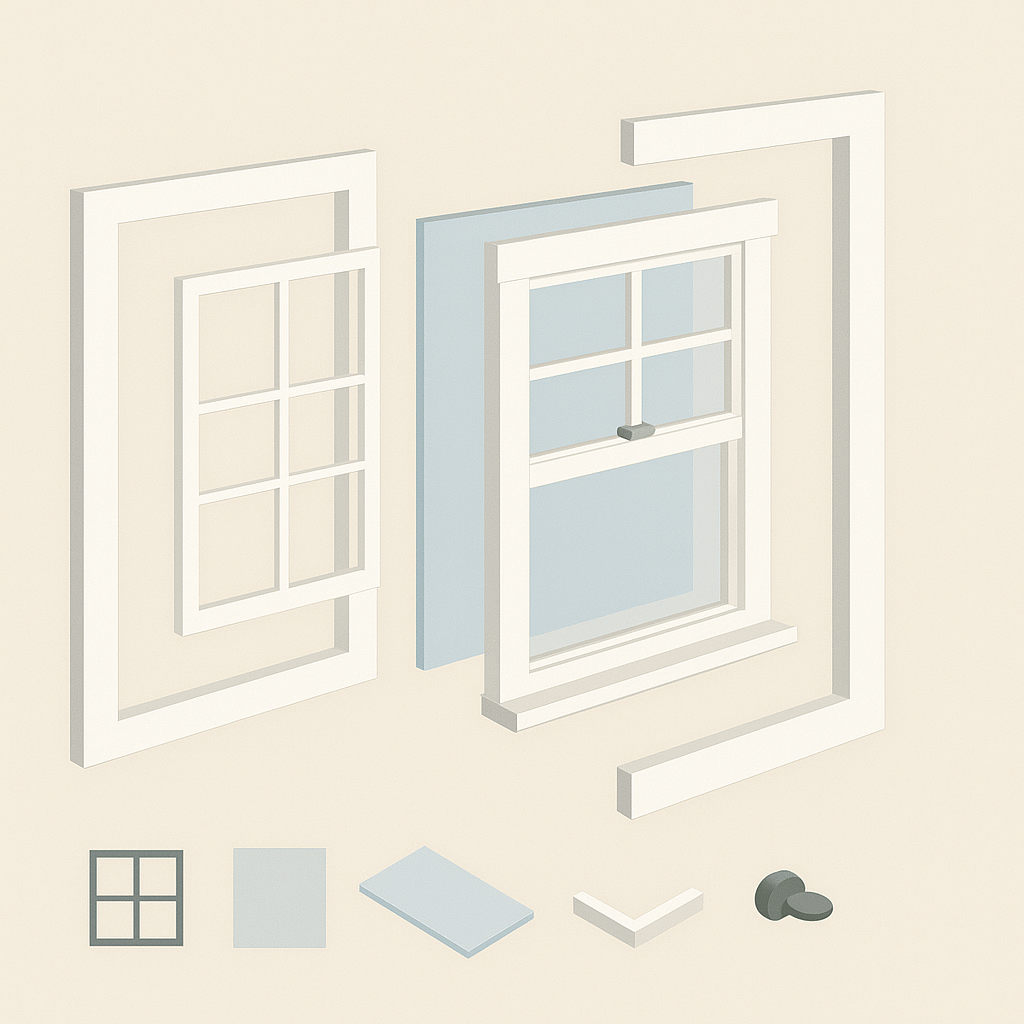
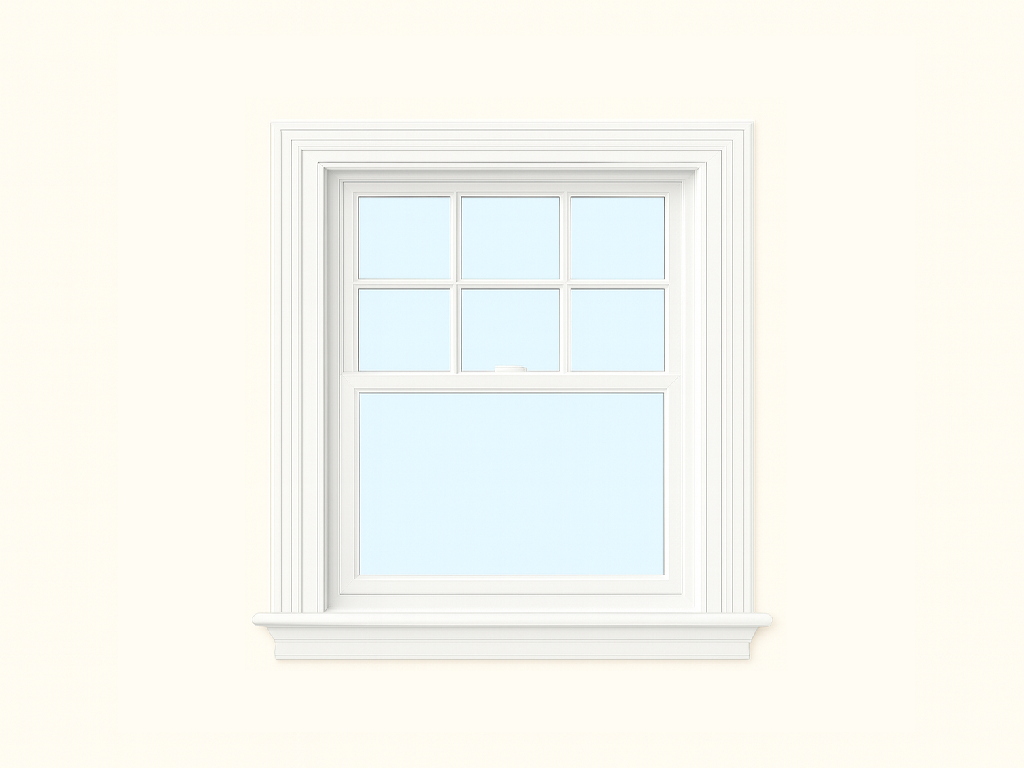
Double Hung Windows
Definition
A double-hung window is a type of window made up of two separate sashes — one on the top and one on the bottom — that slide vertically within the frame. Both sashes move independently, meaning you can open either the top, the bottom, or both at the same time.
Features
Two Movable Sashes:
Each sash operates on its own track, allowing flexible ventilation. You can open the bottom sash to let fresh air in, or open the top sash to release warm air.Tilt-in design:
Both sashes can tilt inward, making it easy to clean the exterior glass from inside your home without using a ladder.Exterior screen:
The screen is placed on the outside of the window, preventing insects from entering while the window is open.Block and tackle balance system:
Inside the frame, a system of cords and pulleys helps the sashes move smoothly up and down. This system is built for long-term use and can withstand thousands of open-and-close cycles before any maintenance is needed.Advantages
Flexible ventilation:
Double-hung windows allow you to control airflow naturally. Opening both sashes lets warm air escape through the top and cool air enter through the bottom, improving comfort and air circulation.Easy maintenance:
The tilt-in feature makes cleaning quick and safe, since both sides of the glass are accessible from inside the home.Energy Efficiency:
Modern double-hung windows are designed with insulated glass and advanced weather sealing, helping to reduce drafts and improve energy performance year-round.Classic appearance:
Their traditional design complements most home styles, from historic to contemporary, adding a timeless look to the exterior.Common Uses
Residential Applications:
Double-hung windows are among the most popular styles in homes because they combine beauty, function, and convenience.Limited Exterior Space:
Because the sashes move vertically rather than swinging outward, these windows are ideal for areas where space outside is limited — such as near walkways, porches, or patios.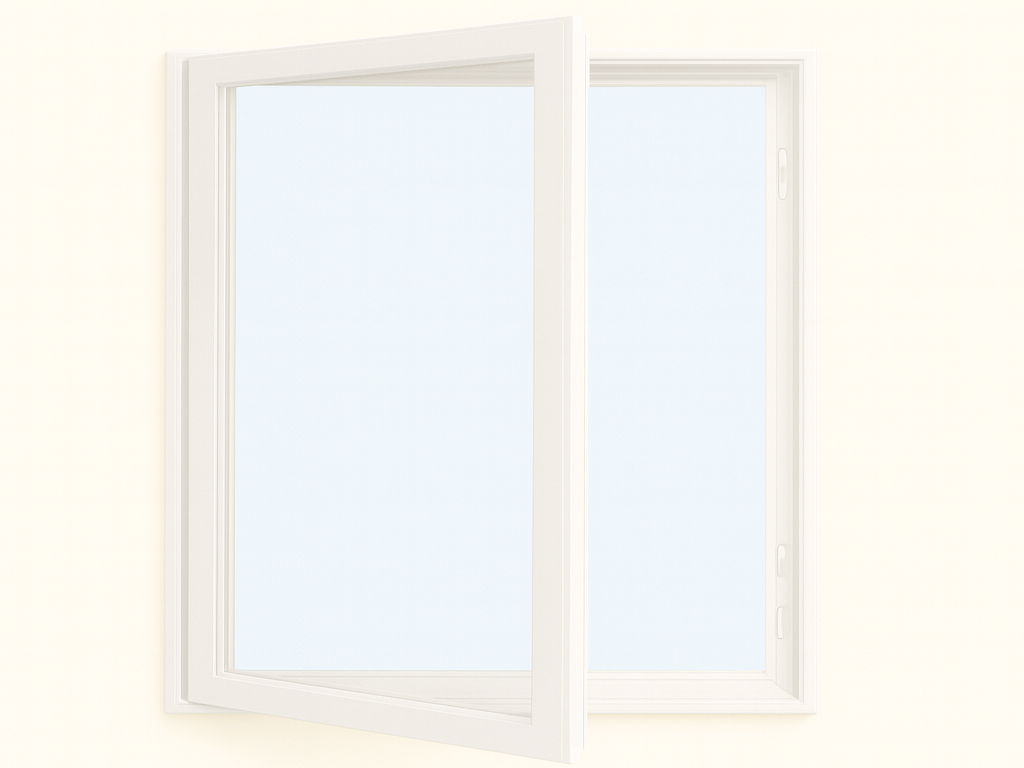
Casement Windows
Definition
Casement windows are hinged windows that open outward like a door. They are typically operated by a crank or lever mechanism, allowing easy and precise control over how far the window opens.
Features
Hinged Design:
Casement windows are hinged on one side, enabling them to swing open either to the left or right.Crank or Lever Operation:
Operated by a crank or lever, these windows allow smooth and adjustable opening and closing.Screen Placement:
Screens are generally installed on the inside to protect them from weather exposure and to keep insects out when the window is open.Blinds Between the Glass:
Casement windows can be customized with integrated blinds positioned between the glass panes. This feature provides a clean, low-maintenance appearance and allows for easy light control. (Note: blinds between the glass cannot be combined with decorative grids.)Advantages
Unobstructed Views:
Casement windows feature large, uninterrupted glass panels that enhance natural light and provide clear outdoor visibility.Energy Efficiency:
The sash presses firmly against the frame when closed, creating a tight seal that minimizes air leakage and improves thermal performance.Superior Ventilation:
When opened, the sash catches and directs breezes into the home, maximizing airflow.Enhanced Security:
Casement windows often include hook-shaped locks embedded into the frame, making them highly resistant to forced entry.Modern Customization Options:
Integrated blinds between the glass offer a neat, contemporary appearance and are easy to operate and maintain.Common Uses
Residential Applications:
Widely used in homes for their combination of ventilation, visibility, and energy efficiency.Modern and Contemporary Architecture:
Their clean lines and functional design complement modern architectural aesthetics.Rooms Requiring Controlled Ventilation:
Ideal for areas such as kitchens, bathrooms, or any space where precise airflow control is desired.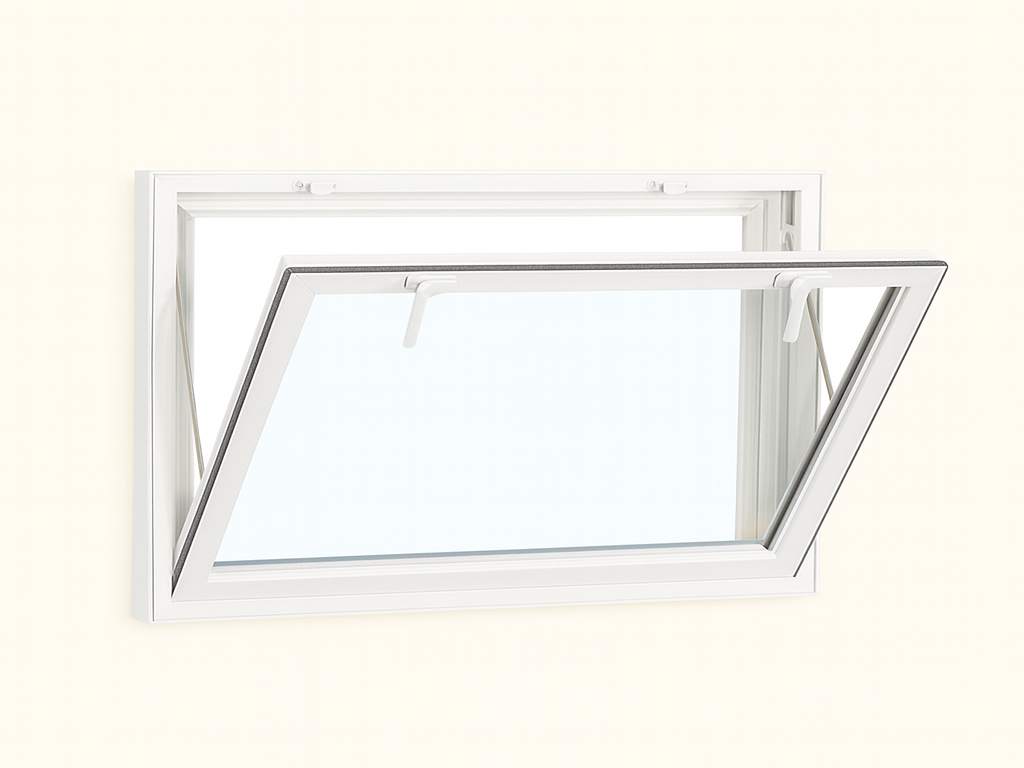
Hopper Windows
Definition
Hopper windows are small, hinged windows that open inward from the top. They are typically used in basements, bathrooms, or other confined areas where ventilation and natural light are needed.
Features
Bottom-Hinged Design:
Hopper windows are hinged at the bottom, allowing them to open inward from the top.Compact Size:
Their smaller dimensions make them ideal for spaces with limited room.Locking Mechanism:
They feature secure locks that keep the window tightly closed when not in use.Screen Placement:
Screens are positioned on the exterior side to prevent insects from entering when the window is open.Advantages
Efficient Ventilation:
Hopper windows provide strong air circulation, making them great for humid or enclosed spaces.Enhanced Security:
Their inward-opening design and locking system make them hard to force open from the outside.Energy Efficiency:
When closed, they form a tight seal that minimizes drafts and improves insulation.Easy Maintenance:
The inward-opening motion allows easy cleaning of both interior and exterior glass surfaces.Common Uses
Basements:
Commonly used to allow fresh air and light in underground or partially below-ground rooms.Bathrooms:
Provide ventilation and moisture control while maintaining privacy.Compact Spaces:
Perfect for tight or narrow wall openings where standard windows won't fit.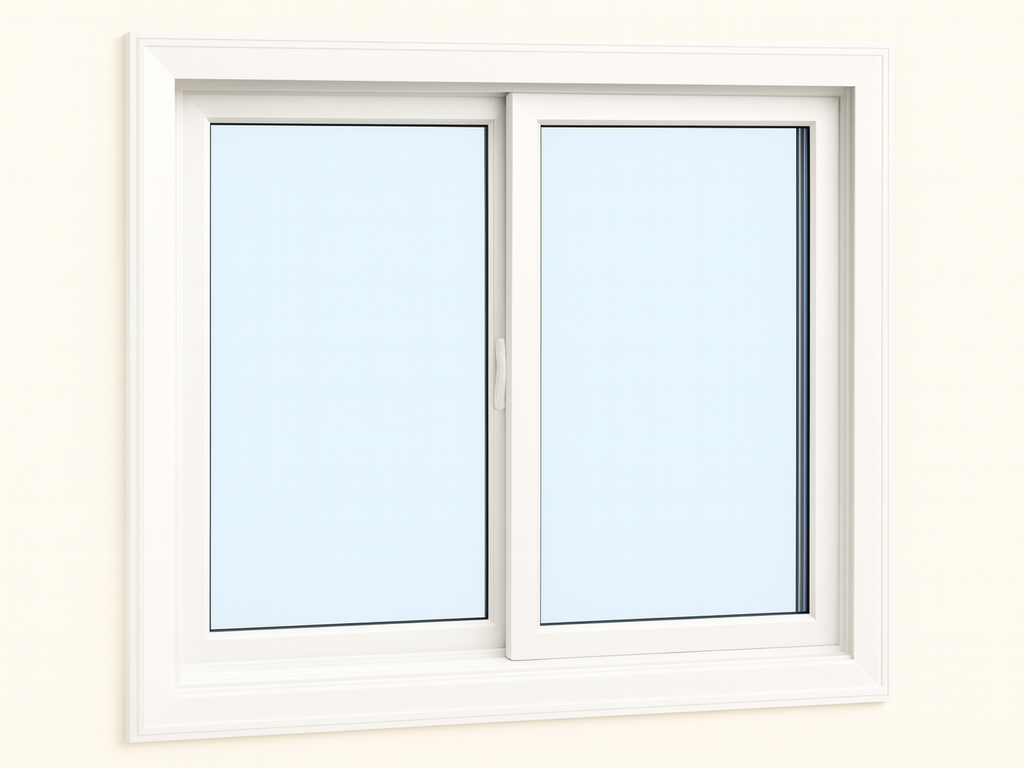
Double-Slider Windows
Definition
Double-slider windows feature two horizontally sliding sashes that move side-to-side within a single frame. Both sashes can operate independently, providing flexibility for airflow and ease of use.
Features
Two Sliding Sashes:
Both panels glide horizontally, allowing ventilation from either side.Effortless Operation:
Designed for smooth and easy opening and closing with minimal force.Removable Sashes:
Each sash can often be lifted out of the frame for convenient cleaning and maintenance.Exterior Screen:
A full-width screen is typically mounted on the outside to keep insects out while maximizing airflow.Advantages
Wide Openings:
Double-slider windows offer broad, unobstructed openings ideal for maximum ventilation and emergency egress.Balanced Ventilation:
Both sashes can be adjusted to control airflow from either side for optimal comfort.Low Maintenance:
With fewer moving parts compared to crank or hinged windows, these units require minimal upkeep.Space-Saving Design:
Because the sashes slide within the frame, they do not protrude outward, making them ideal for walkways, or tight exterior spaces.Common Uses
Residential Applications:
Commonly installed in living rooms, bedrooms, and basements for their practicality and balanced ventilation.Homes with Limited Exterior Clearance:
Perfect for spaces where traditional outward-opening windows are impractical.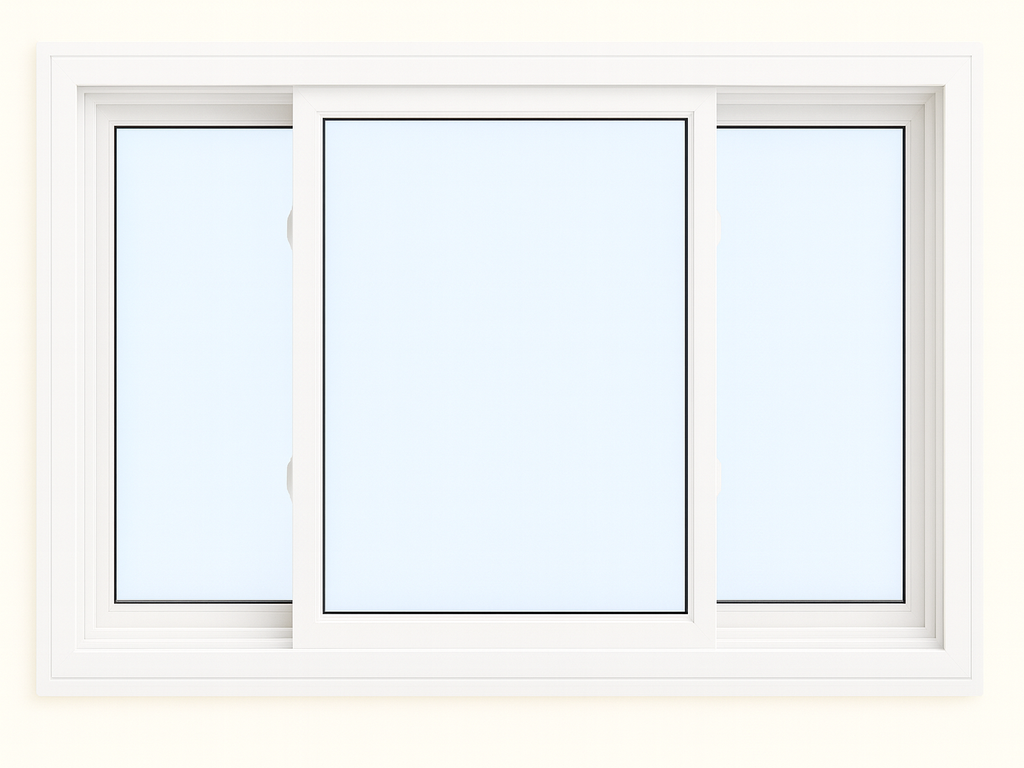
End-Vent Slider Windows
Definition
End-vent slider windows are a type of horizontal sliding window that feature a fixed center pane and two operable side panes. This design allows for both a wide, unobstructed view and flexible ventilation from either side.
Features
Fixed Center Pane:
The large middle section remains stationary, providing a clear, uninterrupted view.Sliding Side Panes:
The left and right panels slide horizontally to allow controlled airflow.Low-Profile Design:
The frame offers a modern, streamlined appearance suitable for contemporary homes.(1/3 | 1/3 | 1/3) Configuration:
Three equal panels—one fixed in the center and two operable on each side—create a balanced, symmetrical look.(1/4 | 2/4 | 1/4) Configuration:
The wider center panel and narrower side sliders offer a panoramic view with efficient ventilation.Exterior Screen Placement:
Screens are positioned on the outside of the sliding panels to prevent insects from entering while maintaining full functionality.Advantages
Expansive Ventilation:
Both side sashes can open to provide generous airflow across the room.Clear Visibility:
The center fixed panel delivers a wide, unobstructed view of the outdoors.Ideal for Large Openings:
Perfect for spaces too wide for traditional double sliders, maintaining structural integrity and aesthetics.Smooth Operation:
The sliding panels glide easily for effortless opening and closing.Common Uses
Residential Applications:
Commonly used in living rooms, family rooms, and sunrooms where homeowners want both wide views and functional ventilation.Modern Architecture:
The sleek design complements wide wall openings and contemporary home styles.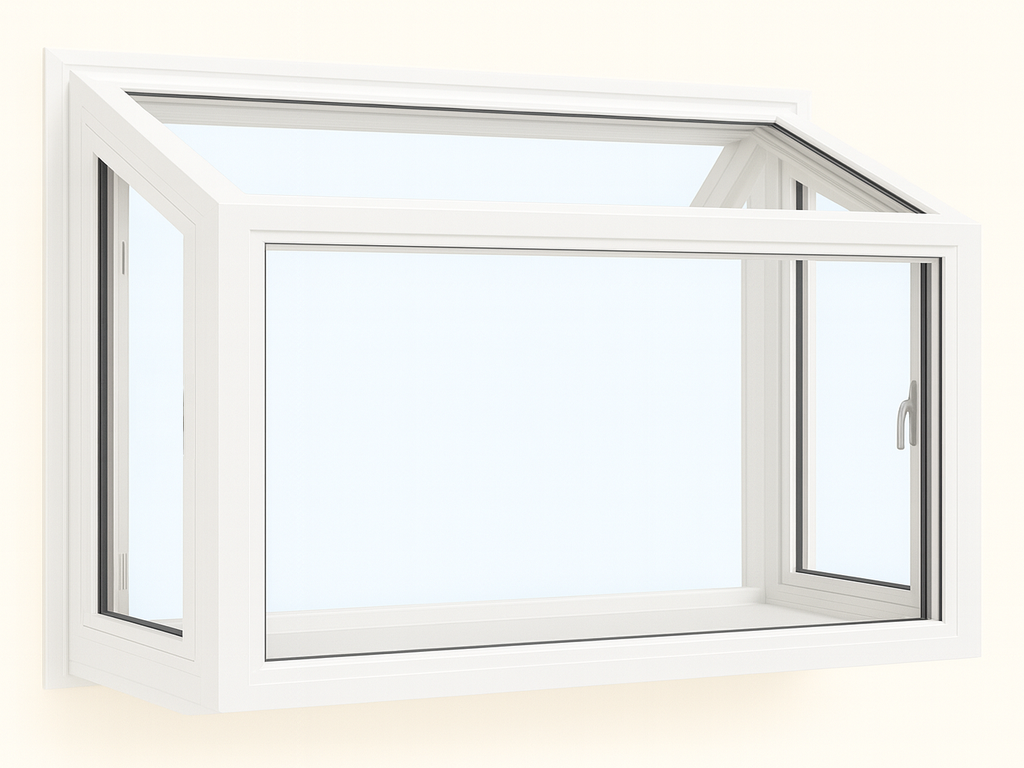
Garden Windows
Definition
Garden windows are three-dimensional, box-shaped windows that extend outward from a home's exterior wall. They create a mini-greenhouse effect, offering space to grow plants, display decorations, or simply enjoy increased natural light.
Features
Box-Shaped Design:
Projects outward from the wall, creating an enclosed area that adds depth and dimension to the room.Multiple Panes:
Includes a large fixed center pane, angled side panes, and a sloped top pane to maximize sunlight exposure.Ventilation:
Often designed with operable casement-style side panels for airflow and temperature control.Built-in Shelves:
Many models include glass or insulated shelves for displaying plants or decorative pieces.Insulated Seatboards:
The base (or "seatboard") is insulated to improve energy efficiency and provide a stable surface for items.Advantages
Natural Light:
The multi-pane design captures light from various angles, ideal for growing herbs, flowers, or small indoor plants.Added Space:
Extends the usable area of the room, offering a small ledge or shelf for practical or decorative purposes.Architectural Appeal:
Adds a distinctive feature to both the interior and exterior of the home.Energy Efficiency:
Modern garden windows use insulated glass and energy-efficient materials to help minimize heat loss or gain.Common Uses
Kitchens:
Commonly placed above kitchen sinks, providing convenient access to sunlight and space for potted herbs or decorations.Breakfast Nooks or Living Areas:
Adds charm and a sense of openness to cozy interior spaces.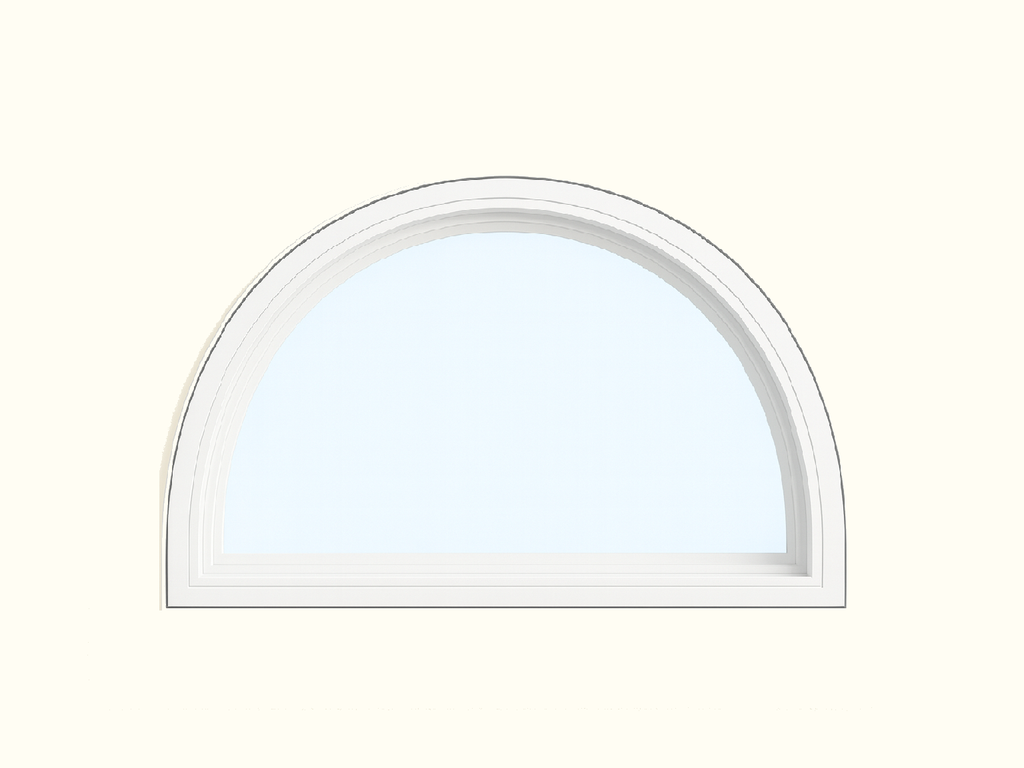
Circle Top Windows
Definition
Circle top windows — also known as arch windows or half-moon windows — feature a gracefully curved or semi-circular design. They are typically installed above standard rectangular windows or doors to enhance architectural beauty and allow additional natural light into a room.
Features
Curved or Semi-Circular Shape:
Designed with an elegant arch, ranging from a perfect half-circle to a soft elliptical curve.Fixed Pane:
These windows are non-operable, meaning they remain stationary and serve primarily for aesthetics and lighting.Decorative Element:
Often incorporated as an architectural accent, circle top windows add character and sophistication to a building's design.Advantages
Natural Light:
Positioned high on walls, circle top windows allow sunlight to filter in, brightening spaces without compromising privacy.Architectural Charm:
The curved design adds a distinctive focal point that elevates the look of both traditional and modern homes.Design Versatility:
Easily paired with other window styles — such as casement, picture, or double-hung windows — to create a seamless and elegant window composition.Common Uses
Residential Applications:
Frequently used in living rooms, foyers, and bedrooms to introduce natural light and decorative appeal.Above Doors or Rectangular Windows:
Commonly placed above entry doors or picture windows, emphasizing height and enhancing the home's exterior design.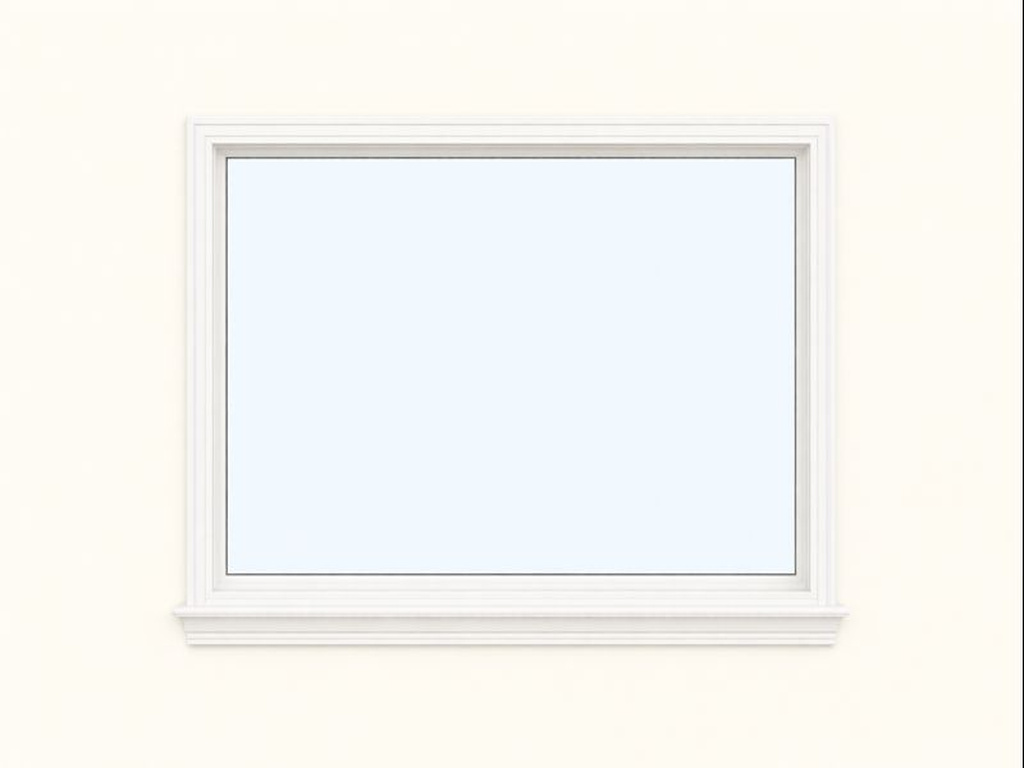
Picture Windows
Definition
Picture windows are large, fixed-pane windows designed to provide wide, unobstructed views and abundant natural light. They are often used as a focal point in a room or to highlight scenic outdoor views.
Features
Fixed Pane:
Picture windows do not open, offering a clean, secure, and maintenance-free design.Unobstructed Views:
With no moving sashes or screens, they provide clear, uninterrupted views.Thermal Efficiency:
These windows typically feature low U-factor glass, providing excellent insulation.Minimal Air Leakage:
Their sealed design ensures superior energy performance and reduced drafts.Flexible Design:
Picture windows can be installed alone or combined with other styles (such as casement or double-hung) for a customized appearance.Advantages
Natural Light:
Maximizes daylight entry, brightening interior spaces.Energy Efficiency:
Fixed panes and insulated glass reduce heat transfer, helping maintain comfortable indoor temperatures.Aesthetic Appeal:
Their sleek design and expansive glass surface add architectural beauty and a modern touch.Versatility:
Works well in living rooms, stairwells, or any area where a wide view is desired.Common Uses
Residential Applications:
Picture windows are popular in residential homes and modern buildings where maximizing light and outdoor views is a priority. They are often used in living rooms, great rooms, or spaces with scenic surroundings.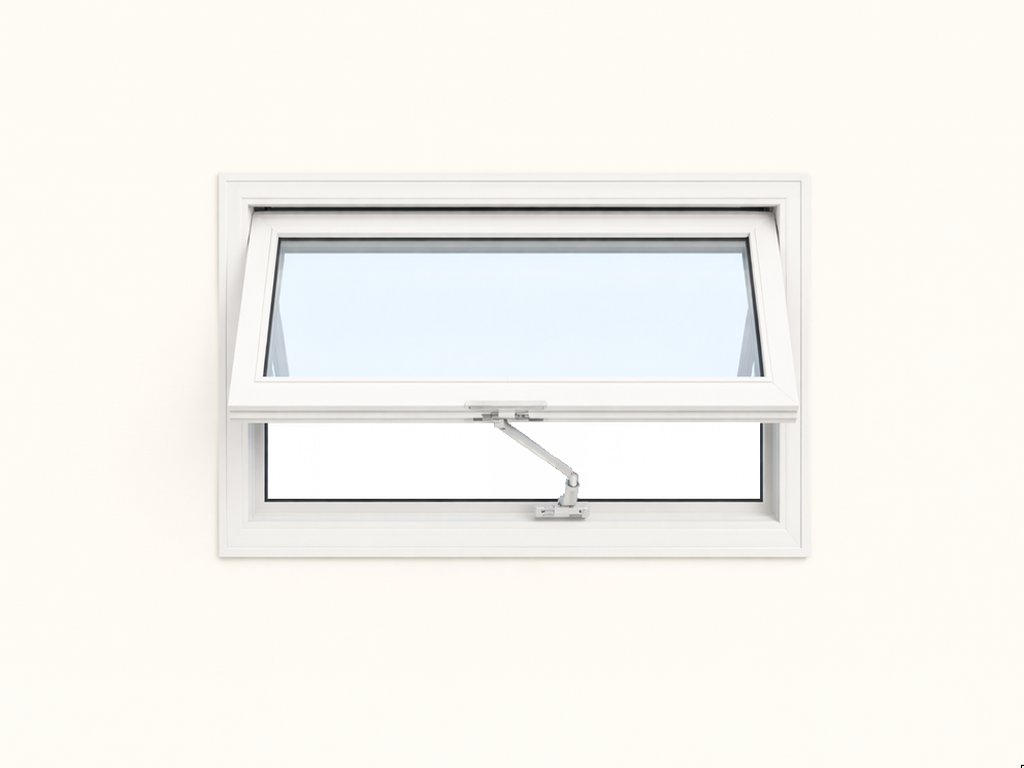
Awning Windows
Definition
Awning windows are windows that are hinged at the top and open outward from the bottom. This design allows for ventilation while helping protect the interior of the home from rain and debris.
Features
Top-Hinged Design:
Awning windows are hinged along the top of the frame, allowing the bottom of the sash to swing outward when opened.Operation:
These windows are typically operated using a crank or lever, giving the user precise control over how far the window opens.Efficient Ventilation:
Because the window opens outward, it can provide airflow even during light rain without allowing water to enter the home.Interior Screen Placement:
Screens are usually installed on the interior side of the window, protecting them from weather exposure and preventing insects from entering when the window is open.Advantages
Excellent Ventilation:
Awning windows promote strong airflow while still offering protection from rain.Enhanced Security:
When closed and locked, the outward-opening design makes these windows difficult to force open from the exterior.Ease of Cleaning:
Many awning windows feature designs that allow for easier access when cleaning both interior and exterior surfaces.Versatility:
Awning windows can be installed higher on walls or above doors, providing ventilation and natural light without sacrificing privacy.Common Uses
Bathrooms:
Awning windows are well-suited for bathrooms due to their ability to provide ventilation while maintaining privacy and managing moisture.Kitchens:
Awning windows are often installed above sinks or countertops, allowing for airflow without interfering with usable workspace.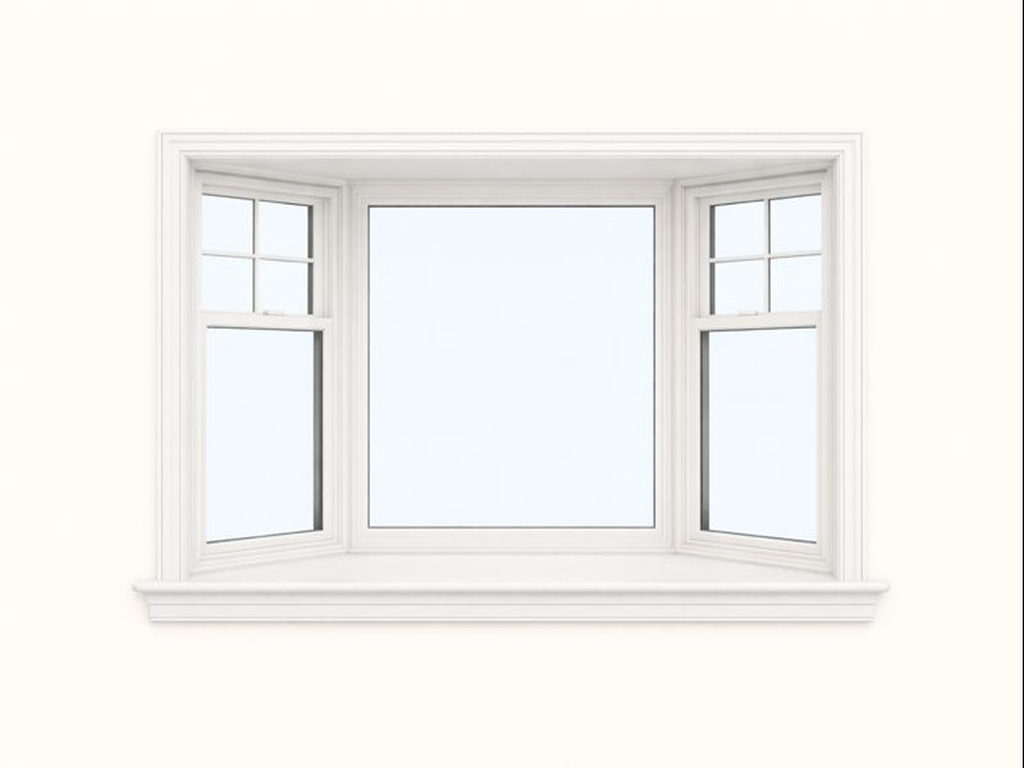
Bay Windows
Definition
Bay windows are a window configuration made up of three windows that extend outward from the exterior wall, forming a bay or alcove inside the room. They are designed to enhance views, increase natural light, and create additional interior space.
Features
Configuration:
Bay windows consist of three separate window units: a large center window and two angled side windows known as flankers.Fixed:
The center window is typically fixed, providing unobstructed views and maximizing natural light.Operable Flanker:
The side windows are commonly double-hung or casement styles, allowing for ventilation while maintaining the bay's overall appearance.Structural Cable:
Bay windows use heavy-duty cables or rods to properly support the projection and ensure long-term structural stability.Seatboard:
An insulated seatboard is included, improving energy efficiency and creating a usable interior ledge for seating, storage, or décor.Design:
Bay windows are commonly manufactured in 30° or 45° angles, offering flexibility in design and projection depth.Advantages
Natural Light:
The multi-angle design allows sunlight to enter from several directions, brightening the room.Space:
Bay windows create extra usable space inside the home, often used for seating, shelving, or decorative elements.Enhanced Aesthetics:
The outward projection provides wider, panoramic views and adds architectural character to both the interior and exterior of the home.Common Uses
Living Rooms:
Bay windows are frequently installed in living rooms, where they serve as a focal point and create comfortable seating or display areas.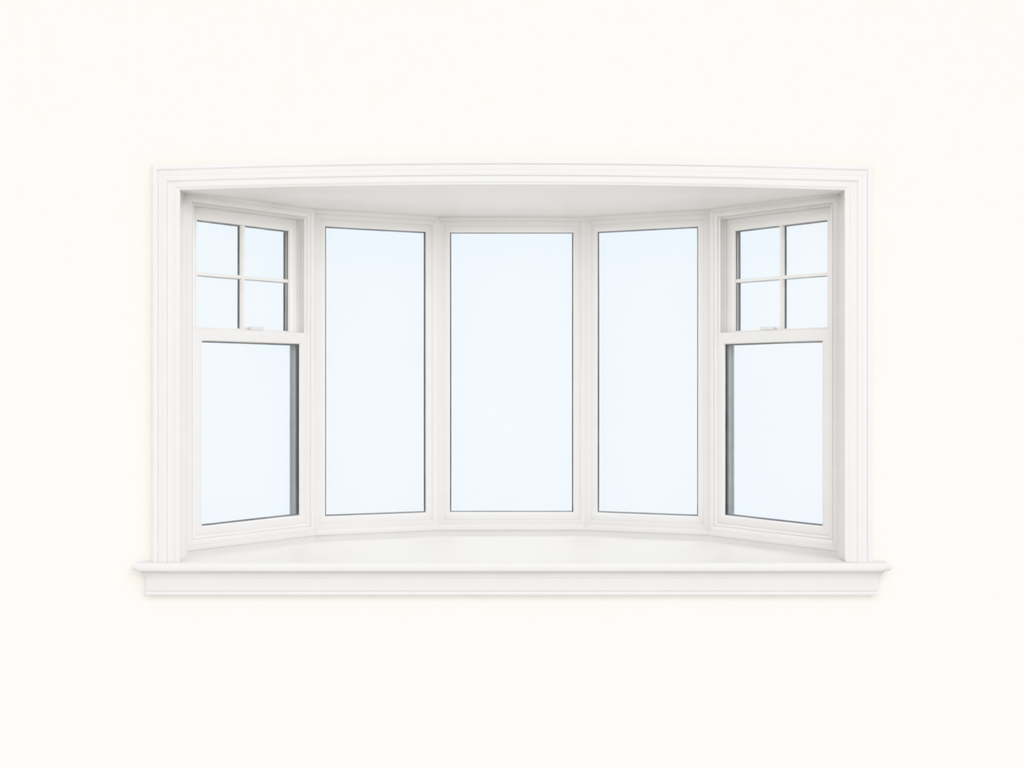
Bow Windows
Definition
Bow windows are a series of windows that project outward from the exterior wall in a smooth, curved formation. This design creates an elegant appearance while increasing natural light, expanding interior space, and enhancing exterior views.
Features
Configuration:
Bow windows are designed to form a gentle arc, creating a soft, rounded projection that adds architectural character to the home.Options:
Bow windows are available in 3-lite, 4-lite, or 5-lite configurations, with each "lite" representing an individual window unit within the bow.Design:
Each window within a bow is typically set at a 10° angle, allowing the units to align seamlessly and create a smooth, continuous curve.Advantages
Natural Light:
The curved layout captures sunlight from multiple directions, brightening the interior space throughout the day.Panoramic:
Bow windows provide wide, sweeping views of the outdoors, making rooms feel more open and connected to the exterior.Space:
The outward projection creates additional usable space inside the room, often used for seating, plants, or decorative displays.Architectural:
Bow windows add a distinctive and visually appealing element to a home, elevating both interior and exterior design.Common Uses
Living Rooms:
Bow windows are frequently used in living rooms to create a dramatic focal point and maximize light and views.Dining Rooms:
They are often installed in dining areas to enhance the room’s elegance and showcase outdoor scenery.Bedrooms:
Bow windows can also be used in bedrooms, offering additional space for seating, storage, or decorative accents.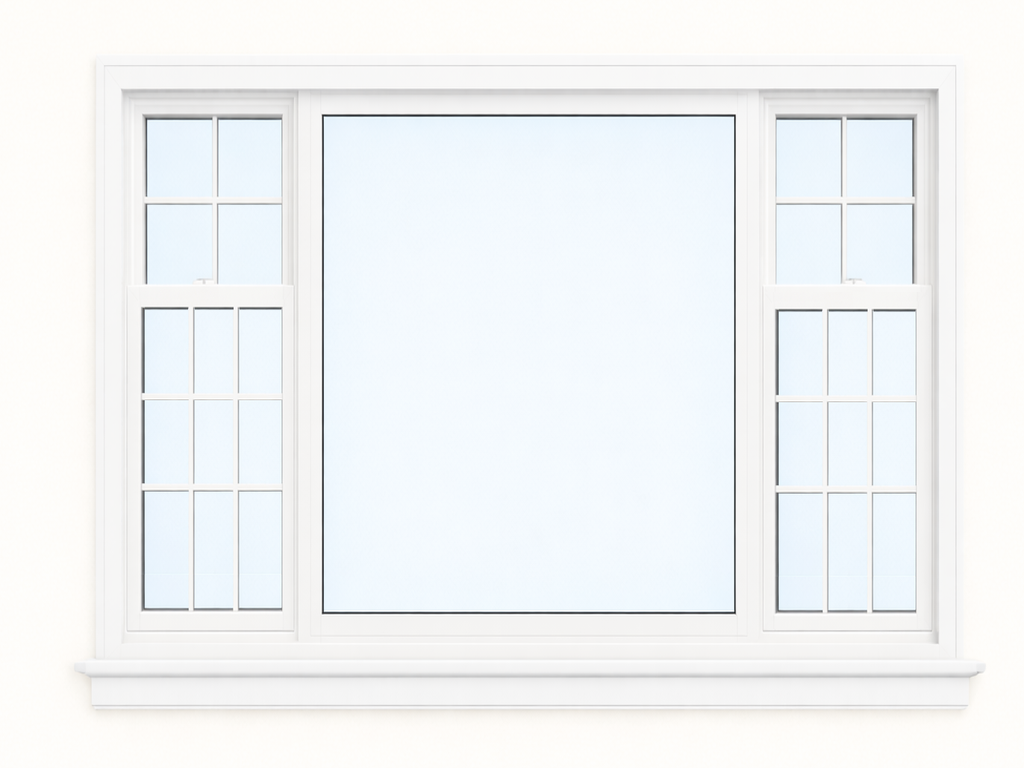
Picture Windows with Flankers
Definition
A picture window with flankers features a large, fixed-pane center window designed for unobstructed views, paired with operable side windows (flankers) that provide additional natural light and ventilation.
Features
Fixed:
The center window is non-operable, offering clear, uninterrupted views and maximum daylight.Operable:
The side windows are typically casement or double-hung styles, allowing for airflow and added functionality.Equal Panel Configuration (1/3 | 1/3 | 1/3):
This layout consists of three equally sized panels, with a fixed picture window in the center and operable flankers on both sides.Expanded Center Configuration (1/4 | 2/4 | 1/4):
This configuration features a larger center picture window flanked by smaller operable windows, creating a balanced and visually appealing design that emphasizes the view.Advantages
Unobstructed:
The large center picture window provides a clear, wide view of the outdoors without visual interruptions.Natural Light:
While the center window maximizes light, the flanking windows allow for controlled ventilation.Design:
Multiple panel configurations make this window style adaptable to different room sizes and architectural styles.Visual:
The combination of a large fixed window with operable flankers creates a clean, symmetrical, and functional design.Common Uses
Living Rooms:
Picture windows with flankers are commonly installed in living rooms, where they serve as a focal point and maximize natural light.Dining Rooms:
This configuration enhances dining spaces by opening up views and creating a bright, inviting atmosphere.Bedrooms and Other Living Areas:
Also used in bedrooms and other living spaces to balance views, light, and ventilation.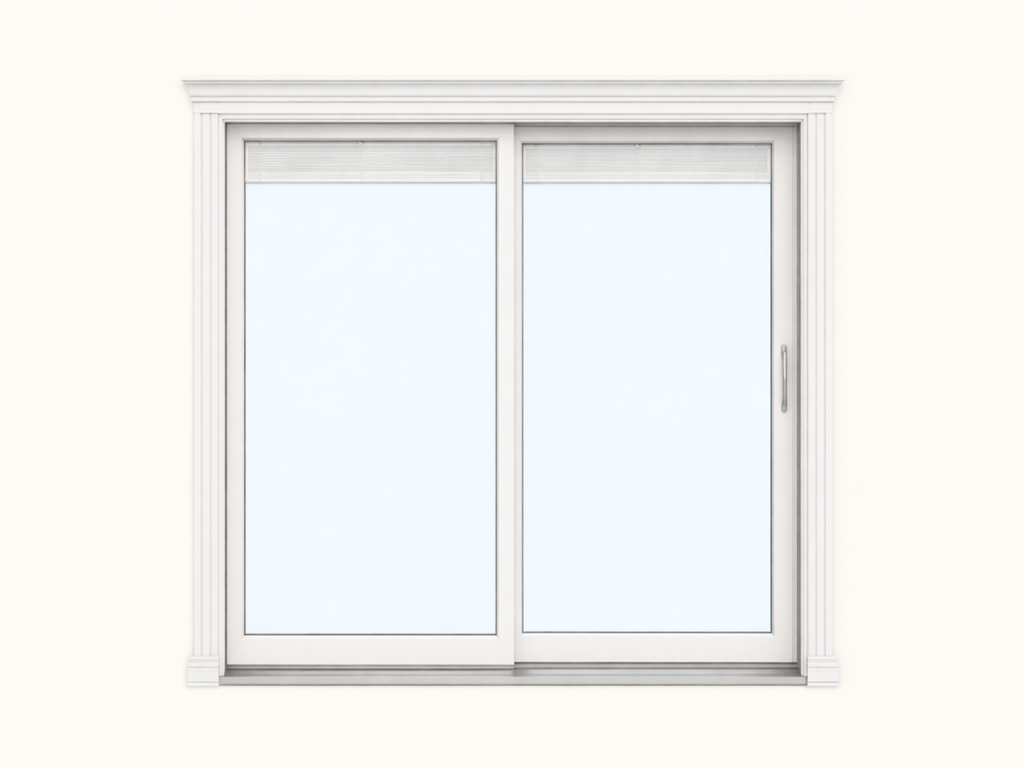
Sliding Patio Doors
Definition
Sliding patio doors are large glass doors that slide horizontally on a track, providing easy access to outdoor spaces while maximizing natural light and views.